Yes, feeling restless after stopping an evening drink can be common. You may notice fidgetiness, irritability, boredom, trouble settling or a strong pull towards the time and place where you used to pour a drink. That can happen because your body and brain are adjusting, and because a familiar part of your day has disappeared.
But “common” does not mean “always safe to manage alone”. Restlessness can also be a symptom of alcohol withdrawal, which may need medical advice. If you have been drinking heavily or regularly, have had withdrawal symptoms before, or are unsure whether it is safe to stop suddenly, contact your GP or NHS 111 for advice before making a change. Severe shaking, confusion, hallucinations, seizures, or marked agitation need urgent medical attention: call 999 or go to A&E.
If a clinician has helped you establish that you can stop safely, the next question is practical: what job was the evening drink doing? Once you know that, you can build a deliberate routine to meet the same need without relying on alcohol.
Why the evening can feel unsettled
Alcohol may have become part of a repeated sequence: finish work, change rooms, pour a drink, eat, watch something and go to bed. The routine can feel automatic because its cues and timing are familiar. Remove the drink and you may be left with an awkward gap: the evening has arrived, but the usual signal that it has started is missing.
This is often called habit gap discomfort. It does not mean you are failing or that you cannot enjoy an evening without alcohol. It means a well-rehearsed behaviour has been interrupted before a replacement pattern has become familiar.
There can how to stop drinking in the evenings also be physical adjustment. Alcohol affects the nervous system, and stopping after regular or heavy use can cause withdrawal symptoms. Restlessness, sweating, tremor, nausea, anxiety, a racing heartbeat and difficulty sleeping can all be warning signs. Timing and severity vary, so do not assume that symptoms are “just a habit” or try to diagnose yourself from a list.
First, separate habit discomfort from possible withdrawal
Some people mainly miss the ritual or find themselves bored at the usual drinking time. Others experience physical symptoms or a level of anxiety that feels unusual or hard to manage. The distinction is not always obvious, and symptoms can overlap. If you are concerned, speak with a health professional rather than relying on a self-help routine.
- Contact your GP or NHS 111 if you drink heavily or most days, have had withdrawal symptoms before, take medication that may be affected, or are worried about stopping safely. Seek urgent help for severe symptoms such as confusion, hallucinations or seizures. Call 999 or go to A&E. Do not use a drink as a treatment plan for symptoms. Ask a clinician what to do; abrupt changes can be risky for some people. Ask about support early. A GP, local alcohol service or specialist clinician can help you plan a safer next step without judgement.
This article is general information, not a withdrawal plan or medical diagnosis. Your drinking history, health and medicines matter.

Identify the job your evening drink was doing
“I drank to relax” is a start, but it is not specific enough to design a useful alternative. Ask: what job was this habit doing at that exact point in the day? A drink may have served more than one purpose.
Habit job What it might have provided A routine to test Transition A clear signal that work was over Close the laptop, write tomorrow’s first task, then change clothes Reward A marker of effort or a small treat Choose a favourite snack, dessert, game or episode deliberately Permission A feeling that you were allowed to stop being productive Set a defined “work is finished” time and leave unfinished tasks on a list Sensory experience A particular glass, taste, temperature or hand-to-mouth ritual Prepare a non-alcoholic drink you genuinely enjoy, in a glass you likeThe point is not to find one perfect replacement drink. It is to notice which need is most pressing and meet it in a way that works in your life. If alcohol offered both a transition and a reward, one substitute may not do both jobs.
Remote work can remove the boundary you need most
For many remote workers, the commute once created a physical gap between work and home. Without it, the workday can drift into the kitchen, sofa and evening. A drink may become a quick, reliable Great site “commute home” signal, even if it does not solve the pressure that built up during the day.
Instead, create a short boundary that is visible and repeatable. For example:
At a set time, save your work and write down the first action for tomorrow. Close the laptop fully and put it away, rather than leaving it open on the table. Change clothes or step outside for a ten-minute walk around the block. When you return, start the next planned activity: cook, call someone, shower or sit down to a meal.Keep the sequence small enough to do on a difficult day. A 10-minute walk that you repeat is more useful than an elaborate evening plan you abandon after two nights. If leaving home is not practical, use a different room, a stretch routine or a brief reset at an open window. The job is to mark the transition, not to achieve a particular mood.
Design a deliberate replacement routine
A replacement routine should fit the moment when restlessness usually begins. Make it specific: decide what you will do, when you will do it and what you will do if the first option does not help. You are building a reliable sequence, not trying to force yourself to feel calm.
1. Keep the cue, change the response
If your usual cue is finishing a meeting or reaching a particular time, keep that cue and attach a different action to it. For instance: “When I close my last work tab, I’ll put the laptop away and make a hot drink.” Keeping the cue makes the new habit easier to remember.
2. Plan for sensory comfort without making alcohol the template
A non-alcoholic drink can be part of the routine if you like it. Try sparkling water with citrus, tea, or a carefully chosen alcohol-free option. You do not need to imitate the taste of alcohol or hold a replacement drink all evening. Ask what sensory quality you want—warmth, fizz, bitterness, or something to sip—and choose accordingly.
Be aware that some alcohol-free products may contain small amounts of alcohol. Read the label if you need to avoid it completely, including for medical, recovery or personal reasons.
3. Give restlessness somewhere to go
Trying to sit still and “relax” can make restlessness more noticeable. Choose an active, low-stakes option for the first 15 minutes: wash up, take a short walk, stretch, prepare food or tidy one surface. Then move to a restful activity if you want to. The goal is a practical change of state, not a test of willpower.
4. Decide what counts as a successful evening
Do not measure success by whether you felt peaceful. A useful first measure might be: “I completed my laptop-closing routine on four evenings this week,” or “When an urge arrived, I waited ten minutes and contacted someone.” Track the behaviour you can control. Note urges, sleep and mood too, but treat them as information—not a verdict.
What if you want a product as part of the ritual?
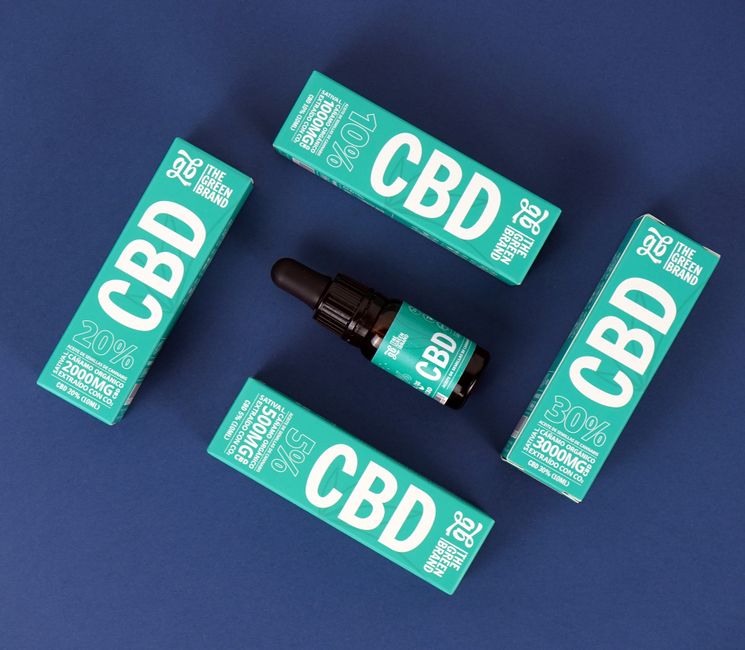
Some people consider herbal products or CBD when changing an evening routine. A product is not a substitute for medical advice, alcohol withdrawal care or a planned boundary between work and home. Evidence and product quality vary, and CBD can interact with medicines. Speak with a GP or pharmacist before using it, especially if you take regular medication, have a health condition, are pregnant or breastfeeding, or are in treatment for alcohol use.
For example, if you are researching a brand such as Joy Organics, look for clear product information and independent testing rather than relying on claims about how you will feel. A QR code linking directly to lab results can make it easier to check a batch-specific report. Read the lab results or certificates, including COA-style reporting, and confirm what the report actually tests and whether it matches the product and batch. A certificate does not prove that a product is suitable for you, nor does it establish that it will treat restlessness, sleep problems or alcohol withdrawal.
Keep the focus on the habit’s job. If the drink’s main role was to mark the end of work, a product may not create that boundary for you. A set laptop-closing time and a short change-of-scene routine may be more directly matched to the need.
Make the first week easier to repeat
Lower the effort required to follow your new plan. Put the kettle, walking shoes or preferred glass where you will see them. Decide on dinner before the usual drinking time if hunger is a trigger. Tell someone you trust what you are changing and what kind of support would help: a check-in, company on a walk or simply not being offered alcohol.
It can help to prepare a “restless evening” plan in advance:
- My usual difficult time is: ________. The job my drink was doing was: ________. My first routine will be: ________. If I still feel unsettled after 15 minutes, I will: ________. If I have physical symptoms or feel unsafe, I will contact: ________.
If you would like structured help with habits, stress or accountability, a coach through The Coach Space may help you clarify the routine you are building. Coaching is not a replacement for medical care, particularly if alcohol withdrawal may be involved; use a clinician or alcohol support service for that part.
When the routine needs more support
Restlessness may ease as a new evening pattern becomes familiar, but there is no guaranteed timetable. If urges remain difficult, sleep or mood is worsening, or you keep returning to a level of drinking you do not want, get support rather than treating it as a discipline problem. A GP or local alcohol service can discuss options, including clinical support and talking therapies.
Quitting evening alcohol can leave a real gap in the day. The useful question is not simply “What can I drink instead?” It is “What job did the old habit do, and what repeatable action can do that job safely?” Start with one small boundary—perhaps closing the laptop at a set time—then build a routine around the transition, reward, permission or sensory comfort you actually need.
Feeling restless does not automatically mean something is wrong, but physical withdrawal symptoms deserve proper attention. Get medical advice when in doubt, and design your new routine around the life you have, not an idealised evening that only works on easy days.